WEATHER REPORT
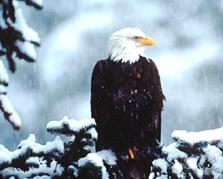
The freezing winters last for 6-7 months. Summer is a short, rainy, and hot season in the Taiga. Fall is the shortest season for the Taiga biome. Spring, in my opinion being the best season, brings flowers, melts the frozen ponds, and leads the animals out from hibernation.
Winter's lowest temperature in the taiga biome is -65°F. Winter's highest temperature is 30° F. Summer's lowest temperature is 30° F. Summer's highest temperature is 70° F. For half of the year, the average temperature in the taiga biome is below freezing level.
The freezing winters last for 6-7 months. Summer is a short, rainy, and hot season in the Taiga. Fall is the shortest season for the Taiga biome. Spring, in my opinion being the best season, brings flowers, melts the frozen ponds, and leads the animals out from hibernation.
Winter's lowest temperature in the taiga biome is -65°F. Winter's highest temperature is 30° F. Summer's lowest temperature is 30° F. Summer's highest temperature is 70° F. For half of the year, the average temperature in the taiga biome is below freezing level.
AVERAGE PRECIPITATION
The annual precipitation in the Taiga biome is 12 - 33 inches (30 - 84 cm). Most of it falls in the summer as rain.
The annual precipitation in the Taiga biome is 12 - 33 inches (30 - 84 cm). Most of it falls in the summer as rain.
RECREATIONAL ACTIVITIES
Many of the recreational activities in the Taiga biome appeal to nature lovers or thrill seekers. In the winter, it is great for snow skiing, ice fishing, hunting, and snow hiking. Imagine the thrill you would get from skiing down a really steep hill! However, if you are more of laid back type of person, I would suggest you go to the taiga biome in the summer to do more relaxing things like bird watching or fishing.

|
POINTS OF INTEREST
-the beautiful sites of all things nature -waterfalls -trees -wildlife -nature trails -Rabbit Creek has stunning views |

|

 :
:
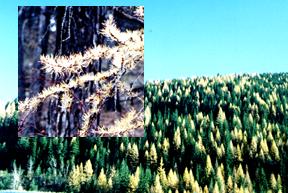
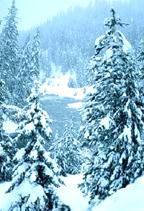 Although the taiga has moderately high precipitation, the ground freezes during the winter months and plant roots are unable to get water. The adaptation from broad leaf to narrow needle-like structures limits water loss through transpiration. Evergreen needles do not contain very much sap. This limits the risk of needle damage from freezing temperatures. The needles do, however, contain a chemical that repels animals who would eat the needles. The dark green color of the needles absorbs the sunlight, and since the needles are always present, once temperature start to get warm, photosynthesis quickly begins. The conical shape of the evergreens allows the snow to slide off the branches rather than pile up. If the snow can't pile up on the branches, there is less risk of broken branches due to the weight of the snow.